
Agricultural · Horse Barn Care
Horse Barn Pressure Washing Lexington, KY | Stalls, Aisles & Siding
Horse barn pressure washing in Lexington cleans stall walls, aisles, mats, and siding with hot water and the right pressure for each material. The horses stay out until the dust settles, and the wash water gets a plan before the first spray.
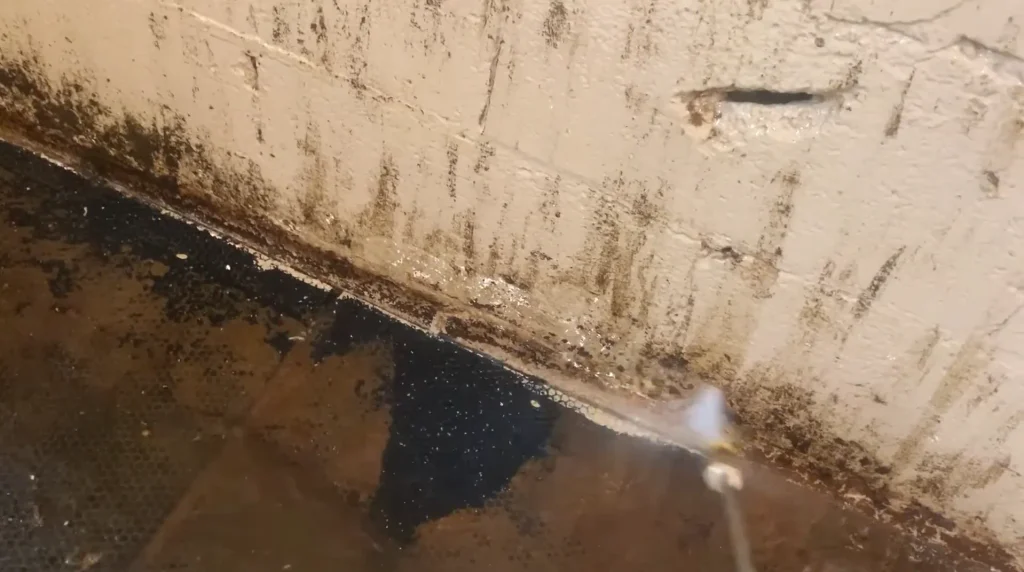

Hot Water for Stall Grime

Insured, COI on Request

Free Estimates
Horse Barn Pressure Washing in Lexington, KY
Horse barn pressure washing in Lexington removes dust, cobwebs, manure film, and algae from stalls, aisles, rafters, and siding. We wash boarding barns, private barns, and farm outbuildings as part of our commercial pressure washing service. Here’s how a horse barn wash works.
- Pricing: set after we see photos or walk the barn, since stall count, height, and condition change the work
- Method: hot water and detergent inside, lower pressure on wood and painted siding, and fans to help the barn dry
- Wash water: planned before we start, with drains checked and nothing sent to the storm drain
- Schedule: set around turnout, feeding, and the days your barn is quietest
What Should Happen Before a Horse Barn Wash Starts?
A horse barn wash starts with the horses outside, because stripping stalls and sweeping stir up dust. Purdue Extension says cleaning stalls can raise dust to nearly 16 times normal levels, and it advises letting dust settle for 30 minutes to an hour before horses return. Our scheduling guide explains how we plan around Lexington weather, which also decides how fast a barn dries.
Stalls get stripped to the floor first, and hay, feed, tack, and buckets leave the area. Power to outlets, lights, and waterers is turned off and covered, because water and electricity don’t mix. A barn that has stood damp for years may also have algae or mildew on its walls, and the Lexington exterior problems guide covers the common causes.
How Do You Wash Each Part of a Horse Barn?
Each part of a horse barn needs its own pressure and method, because concrete, rubber, wood, paint, and metal react to water in different ways.
Part of the barn | How it’s washed |
Concrete aisles and wash racks | Concrete takes hot water and a surface cleaner well, so urine film, manure stains, and packed dirt lift off the aisle floor. |
Stall floors and rubber mats | Mats come out so both sides and the floor underneath can be washed, and then they go back in the same layout. |
Wood stall walls and doors | Wood holds water, so it gets a wider, gentler spray from farther back, and it needs fans and open doors to dry. |
Metal siding and trim | Metal gets a low pressure wash with the spray angled down, so water doesn’t get driven into the seams. Rust streaks from screws and fasteners need a rust remover. Read more about rust stain removal. |
Painted or stained siding | Painted siding gets a low pressure wash with a cleaner for dirt and algae, because high pressure can strip paint and push water behind the boards. |
Rafters, beams, and cobwebs | Cobwebs and loose dust come down dry first, and then a light rinse finishes the rafters and beams. |
Does Pressure Washing Disinfect a Horse Barn?
Pressure washing cleans a horse barn, and disinfecting is a separate step with its own product and label. University of Kentucky veterinarian Dr. Roberta Dwyer says organic matter weakens a disinfectant, so surfaces should be scrubbed with detergent and rinsed first. She also advises avoiding power washers for that job, since they can aerosolize pathogens.
Dr. Dwyer’s advice matters most after a sick horse. If a horse in your barn has been ill, ask your vet before any wash, because the vet decides the cleaning and disinfecting plan. A barn that only needs a reset after a long season has a different problem, which is dust, cobwebs, and built up film, and a controlled wash handles those.
Bleach is a poor pick for stalls. Dr. Dwyer says bleach works only on clean, hard, nonporous surfaces, that organic matter inactivates it quickly, and that it should never mix with ammonia, which stall urine gives off as it breaks down.
Where Does Horse Barn Wash Water Go in Lexington?
Horse barn wash water in Lexington has to stay out of the storm drain, because the city says only rain and snow melt belong there. Stall wash water carries manure, urine, bedding, and detergent, and a storm drain sends it to a creek untreated. Our wash water and storm drains guide covers where the water can go.
Stall drains and aisle drains need a check before the first spray. A drain may lead to a septic system, a sewer line, a field, or a storm drain, and the owner is the one who knows. If nobody knows, the drain gets blocked and the water gets picked up.
A farm manager or neighbor who sees soapy water running into a storm drain can report it to LexCall at 311 or (859) 425-2255.
Can a Horse Barn Be Washed While Horses Are on the Farm?
A horse barn can be washed while horses are on the farm, as long as they’re turned out away from the barn, the hoses, and the runoff. Noise, spray, and slick floors can spook a horse, so the barn stays empty of animals during the work.
Horses shouldn’t come back in until the floors and walls are dry and the air has cleared. Purdue Extension says dust needs 30 minutes to an hour to settle after stall cleaning, and a wash adds drying time on top of that. Open doors and fans help.
Farm managers can plan the wash around feeding, turnout, and farrier and vet visits, and we’ll set the work days with them.
What Should a Contractor Never Do in a Horse Barn?
A contractor should never start a barn wash with horses inside, because noise, spray, and slick floors can hurt a horse or a worker.
Water also shouldn’t go near outlets, lights, fans, or waterer heaters that haven’t been shut off and covered. Wood shouldn’t get blasted at close range with a narrow tip either, because high pressure raises the grain and drives water into the boards.
A leaf blower isn’t a dust plan either, since it fills the air that horses breathe. A barn also shouldn’t be shut up wet, because damp wood with no airflow grows mildew.
What Should a Barn Owner Ask Before Hiring a Barn Washer?
A barn owner should ask four things before hiring a barn washer: proof of insurance, how the crew protects electrical and wood, where the wash water goes, and what happens if something gets damaged.
We carry active general liability insurance, send a certificate of insurance on request, and photograph any existing damage before we start. Our guide to choosing a pressure washing company lists more questions to ask.
How Often Should a Lexington Horse Barn Be Washed?
A horse barn should be washed on a schedule that fits how it’s used, because a boarding barn, a breeding farm, and a small private barn get dirty at different speeds. Fayette County has about 950 equine operations on roughly 85,000 acres, according to the 2022 Kentucky Equine Survey, so Lexington has a lot of barns to keep clean. Our guide to grass, plants, and pets explains how we protect them while we work.
Lexington barns have natural reset points. Dr. Dwyer stresses thorough cleaning of stalls where mares foal, since foals are at high risk. Horses also ship in and out around Keeneland’s race meets and sales, so empty stalls are the easiest time to wash a barn.
We’ll suggest a schedule after we see the barn. Many owners pick one full wash a year and add extra washes for foaling stalls, siding, or a barn that saw heavy use.
Our Process for Horse Barn Washing
Walk the Barn and Plan the Water
We look over the barn with the owner or farm manager, photograph any existing damage, and note the wood, metal, outlets, and drains. We also agree on when the horses will be out.
Strip, Brush Down, and Cover
Stalls are stripped, cobwebs and loose dust come down, and outlets, lights, and waterers get shut off and covered before any water is used.
Wash From the Top Down
Rafters and walls come first, then floors and mats, with hot water and detergent inside and lower pressure on wood, paint, and metal.
Rinse, Dry, and Send a Photo Report
We rinse, move the water where it was planned to go, and open the barn up so it dries. A photo report follows once the barn is dry.
How Much Does Horse Barn Pressure Washing Cost in Lexington, KY?
Horse barn pressure washing in Lexington is priced after we see photos or walk the barn, since stall count and barn condition change the work, and we won’t quote a flat number without seeing it. Our pricing guide explains how pressure washing prices work.
- The number of stalls and the size of the barn
- Interior only, or interior and exterior siding
- How tall the rafters are and whether a lift or scaffold is needed
- Whether the barn has water access, working drains, and a spot for the wash water to go
Why Choose Our Lexington Horse Barn Washing Crew
Insured, With a COI
Active general liability insurance covers our work on your barn, and we can send a certificate of insurance on request.
Hot Water for Stall Grime
Hot water cuts through urine film, manure stains, and greasy dust faster than cold water, so those spots come clean without extra pressure on the wood.
Straight Answers
We tell you up front when old wood may stay stained or darkened, and photos show what changed.
Common Questions
Horse Barn Washing FAQs
Lexington farm owners and barn managers ask these questions before they book a barn wash.
Our 30-Day Satisfaction Guarantee
Our 30-day guarantee covers the areas we wash. If a spot we cleaned doesn’t look right within 30 days, call us or use the contact form, and we’ll come back and make it right at no extra charge. Old wood can stay stained or darkened, and we say so before we start.
Related Cleaning Services
Horse barns often sit next to fences, concrete pads, and other farm buildings that need cleaning. Here are related services.
Get a Free Horse Barn Washing Estimate
Ready for a cleaner barn? Request a free estimate, and we’ll look at the barn, the drains, and the water source. Lexington PressureWash handles every job.