
Residential · Concrete Care
Concrete Cleaning Lexington KY for Stubborn Stains, Dirt & Algae
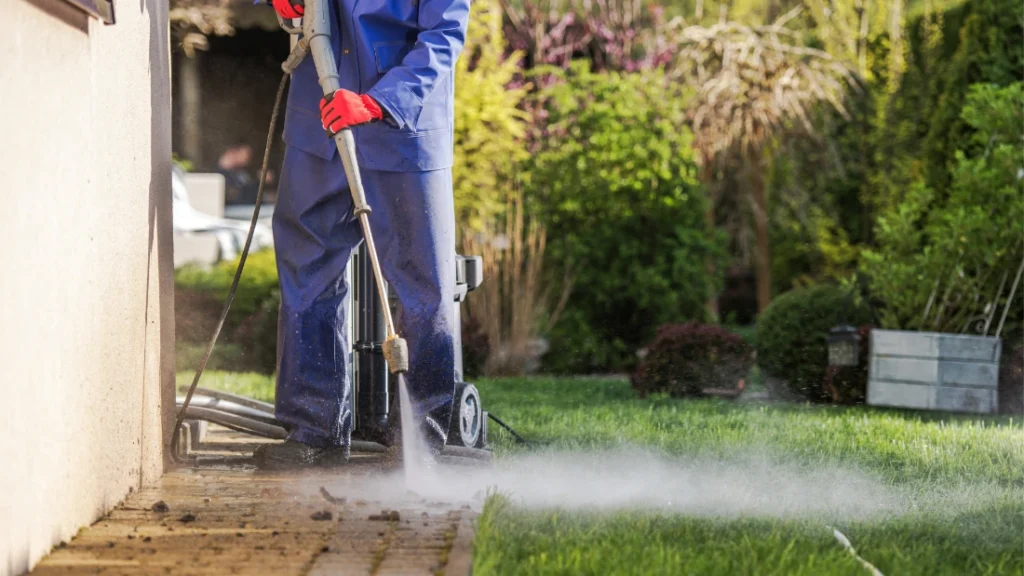
Sidewalks, garage floors, steps, and pool decks pick up algae, oil, and winter grime. We pressure wash each one to match the concrete, so it comes out cleaner and safer.

Local Kentucky Knowledge

Transparent Pricing

30-Day Guarantee
Professional Concrete Cleaning in Lexington, KY
Concrete takes a beating outside. Sidewalks, walkways, steps, pool decks, and garage floors all pick up algae, mildew, oil, and stains over time, and the buildup makes them slippery. Our concrete pressure washing service matches the method to each surface, from a front walkway to a garage floor. Lexington’s damp weather, shade, and road salt leave algae, grime, and salt film on concrete. Driveways and patios have their own pages because they need their own methods. See driveway cleaning and patio cleaning.
Clean concrete also holds up better through a Kentucky winter. Dirt and algae hold moisture against the surface, and freeze-thaw cycles turn that moisture into cracks. Ahead of winter storms, Lexington crews pretreat the roads with salt brine, and after January 2026’s ice storm, the city stocked even more salt. Plenty of that salt follows tires and boots onto your concrete.
- Typical cost: $250 to $600 for most residential concrete surfaces
- Method: pretreatment, then a professional surface cleaner with hand detailing on edges
- How often: once a year, more often in shade or near trees
- New concrete: wait at least 28 days after the pour
- Guarantee: 30 days, and we re-clean the area free if buildup returns
Concrete Surfaces We Clean
Different concrete wears in different ways, so we adjust the approach to the surface and its condition.
Surface | What builds up | How we handle it |
Sidewalks & walkways | Algae in shaded stretches, foot-traffic grime, pollen film | Surface cleaner for even coverage, with edges done by hand |
Garage floors | Oil spots, tire marks, winter road salt | Pretreat the oil first, then clean the whole floor |
Steps & retaining walls | Algae and mildew on damp, shaded faces | A method matched to the condition |
Pool decks | Sunscreen residue, moisture, organic film | Careful cleaning for traction, with the surrounding concrete protected |
Sidewalk & Walkway Cleaning
Foot traffic, dirt, algae, and seasonal debris leave sidewalks and walkways stained and slippery. On a Hamburg job, the front walkway had the same dark algae stain as the driveway. Shaded stretches stay damp the longest, so that’s where algae wins first. Sidewalk pressure washing clears it and gives you a safer path around the property.
Pool Decks
Pool decks stay wet, pick up sunscreen residue, and grow organic film. We clean them carefully to bring back traction and protect the concrete around the pool.
Garage Floors
Garage floors collect oil spots, tire marks, dust, and grime, and winter adds road salt that drips off the tires. When we power wash a garage floor, we pretreat oil with the right cleaning agent first, then clean the whole floor. Fresh oil lifts best. Old spots can leave a faint shadow, and we’ll tell you that up front.
Concrete Steps & Retaining Walls
Steps, entryways, and retaining walls sit in the weather year-round, and the damp, shaded faces grow algae and mildew first. We clean them with a method matched to their condition, which helps the look and the footing.
How Soon Can New Concrete Be Pressure Washed?
New concrete needs time to cure before it’s ready for cleaning. We recommend waiting at least 28 days after a patio, walkway, or other slab is poured. That gives the surface time to harden, including the thin top layer called the “cream” that gives new concrete its smooth finish. Clean too early, especially with pressure, and you can damage that layer and leave the surface uneven or pitted. Not sure it has cured? Tell us the pour date, and we’ll confirm before scheduling.
Our Concrete Cleaning Process
Inspection
We start by looking the surface over for algae, mold, mildew, oil stains, rust, tire marks, red clay staining, and other buildup. We also check for cracks or wear that cleaning won’t fix. That tells us the right approach before any water goes on.
Pre-Treatment
Next, we apply a biodegradable cleaning solution that breaks down organic growth and loosens embedded dirt. It typically dwells for 10 to 15 minutes so it can work into the surface. Oil and grease get a degreaser first, and on heavy spots we use hot water, because heat helps break them down.
Surface Cleaning & Edge Detailing
We clean large areas with a professional surface cleaner, which gives even coverage and helps prevent the streaks a wand alone can leave. Then we detail edges, corners, and tight spots by hand so the whole surface gets the same attention.
Final Rinse & Quality Check
After cleaning, we rinse away any residue, then walk the property to check the results. If a spot needs a second pass, we take care of it before we call the job done.
Why Choose Us for Concrete Cleaning
Local Knowledge
We see how Kentucky’s humid climate, spring pollen, and freeze-thaw cycles affect concrete all year. On a Beaumont porch, matching the pressure to the concrete’s condition was the priority, since that entrance is the first thing guests see.
Transparent Pricing
You’ll get upfront pricing based on the size, condition, and type of concrete surface. We explain what’s included before any work begins, so there are no hidden fees or surprise charges.
Guaranteed Work
Every concrete cleaning service is backed by our 30-day satisfaction guarantee (full details below).
How Much Does Concrete Cleaning Cost in Lexington, KY?
$250 to $600 for most residential concrete surfaces
Most residential concrete cleaning in Lexington runs $250 to $600, depending on the size of the surface, its condition, and the kind of cleaning it needs. Bigger or more complicated areas, like pool decks and multiple walkways, are quoted one by one based on square footage and how much buildup there is. Free estimates, with the price laid out before any work begins. Our pricing guide shows where concrete sits next to every other service.
- Size of the surface
- Condition of the concrete and how much buildup there is
- Type of surface (pool decks and large areas are quoted by square footage)
- Oil staining or rust that needs pretreatment
Benefits of Professional Concrete Cleaning
Improved Safety
Algae, moss, and mildew make concrete slippery, especially in shade and damp spots. Cleaning them off gives you better traction on sidewalks, pool decks, steps, and walkways, which cuts the slip risk.
Enhanced Curb Appeal
Years of dirt, stains, and weather discoloration make concrete look worn out. A thorough cleaning brings back a brighter, more even look, so sidewalks, pool decks, and retaining walls match the rest of your exterior.
Longer Surface Life & Better Preparation for Sealing
Regular cleaning removes moisture-holding dirt and algae early, so freeze-thaw wear builds up slower. It also leaves a clean surface if you plan to seal. Give washed concrete at least 24 hours to dry before sealing, and follow the sealer maker’s directions.
Common Questions
Frequently Asked Questions
Below are answers to some of the questions homeowners and business owners ask before
scheduling concrete cleaning services in Lexington.
Our 30-Day Satisfaction Guarantee
Our concrete cleaning work is backed by a 30-day satisfaction guarantee. If the same stains or buildup return on a surface we cleaned within 30 days, we will come back and clean that area again at no extra charge.
Related Pressure Washing Services
Concrete cleaning is one part of keeping your property’s exterior in shape. These related pressure washing services cover the other surfaces around your home.
Driveway Cleaning
Remove oil stains, tire marks, dirt, and organic buildup to restore the appearance of your concrete driveway.
Patio Cleaning
Safely clean concrete, brick, paver, and natural stone patios using methods matched to each surface.
Ready to Restore Your Concrete Surfaces?
Request a free estimate for your sidewalks, steps, garage floor, or pool deck, and we’ll recommend the right cleaning approach for your concrete.