
Property Owners · Graffiti Removal
Graffiti Removal Lexington, KY | Spray Paint & Tags
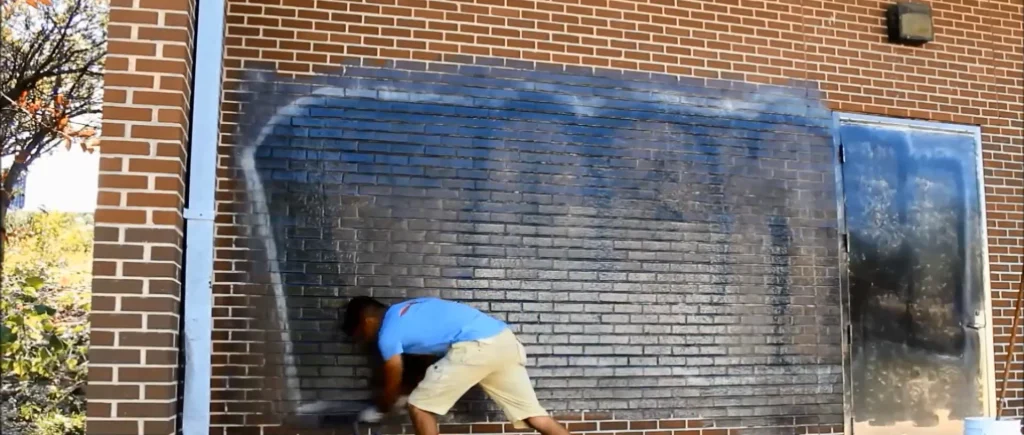
Graffiti removal in Lexington lifts spray paint, markers, and tags from brick, concrete, stone, metal, and siding. The crew tests a small spot first, lets the remover do the work, and rinses at controlled pressure.

Test Spot First

Gentle Rinse

Free Estimates
Graffiti Removal in Lexington, KY
Graffiti removal in Lexington breaks down spray paint, marker, and paint tags with a remover made for the job, then rinses the loosened paint off brick, concrete, stone, metal, and siding. High pressure alone usually can’t lift spray paint from porous surfaces, because the paint soaks into the pores and the spray can wear down the surface under it. We remove graffiti from fences, walls, dumpster enclosures, and storefronts as part of our commercial pressure washing service. Here’s how a graffiti job works.
- Pricing: set after we look at the surface, the size of the area, and how much paint there is
- Method: test a small spot, apply remover, let it sit, then rinse with hot water at controlled pressure
- Surfaces: brick, concrete, stone, metal, vinyl, and painted walls each get their own treatment
- Timing: set around mild weather, since removers work poorly in very hot or very cold air
Why Is Graffiti So Hard to Remove From Brick, Concrete, and Stone?
Graffiti is hard to remove from brick, concrete, and stone because those materials are porous, and spray paint soaks into the tiny holes below the surface. Smooth metal and glazed block let the paint sit on top, so those clean up faster. Rough surfaces hold the pigment, and a faint shadow called ghosting can stay after the paint is gone. Our concrete staining guide explains why stains sink into concrete and why a plain rinse can’t always lift them.
High pressure makes the problem worse. The National Park Service says some historic masonry can be damaged by pressure washing even at low or moderate pressure, and PROSOCO, a maker of graffiti removal products, says higher pressure isn’t the answer because it can strip the face of the masonry along with the paint. Our pressure washing damage guide shows what too much pressure does to a surface.
How Is Graffiti Removed From Each Surface?
Each surface needs its own treatment, and the table below shows how the crew handles the common ones.
Surface with graffiti | How it’s cleaned |
Brick and masonry block | The remover sits on the brick until the paint softens, then a gentle rinse lifts it, and weak mortar joints are kept out of the spray. Red paint and fine black pigment can leave a faint shadow. |
Concrete and cinder block | Rough concrete holds paint in its pores, so the remover gets more time to work, and old or heavy paint may need a second round. |
Natural stone | Limestone and other soft stone are porous, so the crew tests first, stays away from acid, and says up front when a faint ghost may stay. |
Vinyl siding and painted wood | A remover that breaks down spray paint can also dull the paint under it, so these get a test spot and a low pressure rinse, much like our soft washing service. |
Painted metal and powder coat | Metal comes clean faster than masonry, but the remover can lift the paint on the metal too, so the crew tests a hidden spot before the full wall. |
Stucco and painted walls | Stucco is rough and soft, and painted walls can lose their own paint, so these get the gentlest rinse and a test first. A repaint by a painter may be needed to even out the color afterward. |
Can Pressure Washing Alone Remove Graffiti?
Pressure washing alone usually can’t remove spray paint from porous surfaces, because the paint sits in the pores where a stream of water can’t reach. Turning the pressure up doesn’t fix that, and the National Park Service says untrained abrasive cleaning can etch the outline of the graffiti into the masonry for good. A remover does the loosening, and the rinse carries away what it’s loosened.
Dwell time matters because slow results at first don’t mean the remover failed. PROSOCO says a product can look slow in the first 10 to 20 minutes and still work after 30 minutes or even hours, so the crew lets the remover sit, checks it, and applies more where paint remains. PROSOCO also says hot water can make a big difference where it’s available, and our rig has it.
Mortar needs care too. The National Park Service says mortar joints react differently from the bricks around them, so the crew keeps hard spray off weak joints. You can read the National Park Service’s graffiti brief for the full guidance on masonry.
What Should You Do First When Graffiti Shows Up on Your Property?
Photos come first when graffiti shows up on a property, since a police report or an insurance claim may need them. After the photos, fast removal helps. The Center for Problem-Oriented Policing says quick, consistent removal cuts down how long a tag stays visible, and that works against a tagger who wants to be seen.
Ownership matters before the wash. Graffiti on a wall, fence, or door that belongs to you is yours to deal with, and graffiti on a utility box, a sign, or a neighbor’s property belongs to that owner, so the owner should be called before anyone cleans it.
Painting over graffiti before removing it can leave the outline showing through the new coat. A repaint belongs after the removal, and the National Park Service even suggests carefully matched paint to conceal a ghost that won’t come out. A painter handles that step, since we don’t repaint.
Why Does Graffiti Leave a Shadow After It Is Cleaned?
Graffiti leaves a shadow after cleaning when the pigment has soaked deep into a porous surface. The National Park Service calls these leftovers ghosts, and it says red paints and fine black spray paint pigments are the hardest to remove.
Some ghosts fade over time, so a shadow that’s faint today may look lighter later. The National Park Service adds that when removing every trace would mean removing part of the masonry itself, the better choice is to leave the surface alone or conceal the shadow with carefully matched paint. We tell you before we start when a faint shadow may stay, so the result matches what we said.
Weathered stone and rough brick hold the most pigment, because their pores are open. A smooth surface such as polished granite is much easier to clean, according to the National Park Service.
What Should Never Be Used to Remove Graffiti?
Graffiti jobs go wrong when the wrong product goes on. The National Park Service says acidic cleaners are generally not effective on graffiti and can damage limestone and marble, strong alkalis can cause staining unless they’re neutralized, and abrasive methods usually cause lasting damage.
Sandblasting and wire brushes are abrasive, and abrasives can etch the shape of the tag into the surface for good. A scar in the brick can look worse than the paint did, and it can’t be undone.
Strong solvents bring their own risks. Acetone and similar products are flammable, they’re harsh on skin and lungs, and they can dull plastic, vinyl, and the paint under the graffiti. Every product gets a test in a spot nobody will notice, and the crew wears protective gear.
When Is the Best Time to Remove Graffiti in Lexington?
Graffiti comes off best in mild weather and as soon as possible. The National Park Service says most paint removers don’t work when the air is very cold or very hot, and PROSOCO says cold weather calls for a longer dwell time. Our scheduling guide explains how Lexington weather changes the schedule.
Waiting gives paint more time to soak into the pores, and fresh paint usually needs less dwell time, so there’s a good reason to call quickly.
A cold snap or a heat wave is a good reason to move the visit a few days, because a remover that stalls or dries out can’t finish the job.
Where Does Graffiti Wash Water Go in Lexington?
Graffiti wash water carries loosened paint, remover, and dirt, so it needs a plan before the rinse starts. Our wash water and storm drains guide explains the Lexington rules for runoff.
Paint and remover shouldn’t run into a storm drain, so the crew keeps the wash water away from the street and the drains, collects it when the site needs it, and protects the plants and grass at the base of the wall.
Anyone who sees paint or wash water flowing into a storm drain can report it to LexCall at 311 or (859) 425-2255.
What Should a Property Owner Ask Before Hiring a Graffiti Remover?
A property owner should ask five things before hiring a graffiti remover: whether the crew tests a small spot first, what product and pressure it uses on your surface, what happens if a shadow stays, how the wash water is handled, and what the job includes.
Our crew answers all five before the job: we test a small spot, use a remover and a controlled rinse, tell you when a ghost may stay, and plan the runoff. We remove graffiti, and we don’t repaint or apply coatings, so a property owner who wants either one hires that work separately. The guide to choosing a pressure washing company lists what to compare between companies.
Our Process for Graffiti Removal
Look, Photograph, and Test
We look at the surface and the paint, take before photos, and test the remover on a small spot nobody will notice.
Apply Remover and Let It Sit
Nearby plants and glass get protected, then the remover goes on and sits as long as that surface and paint need.
Rinse With Controlled Pressure
The loosened paint is rinsed off with hot water at controlled pressure, and a spot that won’t budge gets another round of remover.
Check and Walk the Result
We compare the wall to the before photos, point out any faint ghost, and walk the result with you before we leave.
How Much Does Graffiti Removal Cost in Lexington, KY?
Graffiti removal in Lexington is priced after we look at the surface, since the material, the size of the area, and the type of paint change the work. Our pricing guide explains what drives the price of an exterior cleaning job.
- The surface: brick, concrete, stone, metal, or siding
- The size of the area covered in paint
- The type of paint and how long it has been on the surface
- How many rounds of remover the paint needs
Why Choose Our Lexington Graffiti Removal Crew
Gentle on the Surface
Controlled pressure and a remover that gets time to work keep the crew from wearing down the brick or stone under the paint.
Tested Before Treated
Brick, concrete, metal, and siding each get a test spot first, so the product fits the material.
Straight Answers
We’ll tell you up front when a faint ghost may stay, when old paint needs a second round, and when a repaint will even out the color.
Common Questions
Graffiti Removal FAQs
Lexington property owners ask these questions before they book graffiti removal.
Our 30-Day Satisfaction Guarantee
Our 30-day guarantee covers the graffiti we remove. If an area looks wrong within 30 days, call us or send a message through the contact form, and we’ll come back at no extra charge. A faint ghost from porous stone or brick, red paint, or very old paint can leave a shadow, so we say so before we start.
Related Cleaning Services
Graffiti often shows up on fences, walls, and the concrete around a building. Here are related services.
Get a Free Graffiti Removal Estimate
Ready to get the paint off? Request a free estimate, and we’ll look at the surface, the paint, and the plants and glass around it. Lexington PressureWash handles every job.