
Residential · Brick and Masonry
Brick Cleaning Lexington, KY | Homes, Walls & Steps
Brick cleaning in Lexington removes algae, mildew, and gray film from brick walls, columns, and steps. Most smaller brick homes cost $300 to $500, and we soft wash at low pressure after a test on a hidden spot.
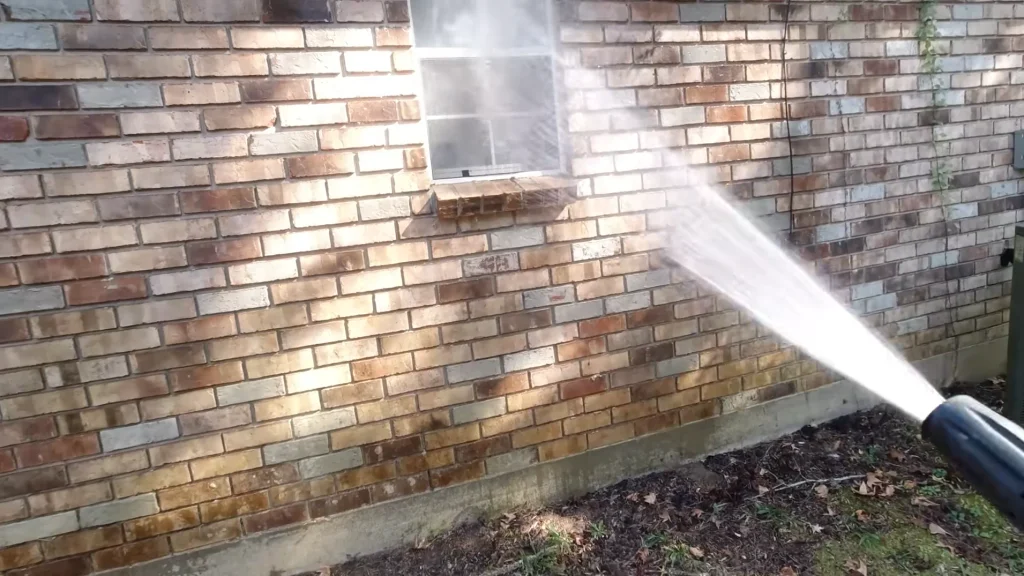

Soft Wash, Low Pressure

Insured, COI on Request

Free Estimates
Brick Cleaning in Lexington, KY
Brick cleaning in Lexington removes algae, mildew, gray film, and rust streaks from the outside walls of a house, a garden wall, or a column. The price depends on the size of the wall, its height, and how long the growth has been there. We use a soft wash, so the cleaning solution does the work and the brick and mortar don’t take a beating. For siding that isn’t brick, see our house washing service. Here’s how brick cleaning goes.
- Typical cost: $300 to $500 for most smaller brick homes, or $0.20 to $0.40 per square foot of wall on larger jobs
- Method: a soft wash with a cleaning solution and a low-pressure rinse, after a test on a small hidden spot
- How often: about every two to three years, and sooner for shaded or damp walls
- Guarantee: 30 days, and we return at no charge if the growth comes back
What Makes Lexington Brick Dirty?
Lexington brick gets dirty from algae and mildew on damp walls, a gray film from road dust and traffic, and rust streaks from metal above it. Tall trees shade north and east walls, and shaded brick stays wet longer, so algae grows fast there. Read why the green comes back in our algae guide. Growth holds moisture against the brick, so cleaning protects the wall as well as the look.
Lexington’s freeze and thaw winters add to the problem. Water that soaks into brick and mortar expands when it freezes, and over many winters that can flake the face off the brick. Both problems are explained in our Lexington exterior problems guide, with tips on telling which one a wall has.
What Do We Use on Each Kind of Brick Problem?
We match the method to what’s on the brick, because algae, white powder, paint, and rust each need a different treatment.
What’s on the brick | How we clean it |
Algae, mildew, and gray film | A soft wash lifts the growth and film, and a low-pressure rinse carries it off without pushing water into the mortar joints. |
White powder (efflorescence) | A dry brush and low-pressure water take off light powder. We don’t use acid on it, because acid can bring more salts to the surface. |
Painted brick | Low pressure and a mild solution clean the paint without lifting it. We don’t strip paint, and flaking paint may need a painter first. |
Rust stains | Rust streaks need a rust remover, because a soft wash alone won’t lift them. See our guide on rust stain removal. |
Moss and lichen on shaded brick | Moss gets a longer soak with the cleaning solution before a low-pressure rinse, since it holds on tighter than algae does. |
Natural stone and limestone trim | Limestone trim and other lime-based stone get the gentlest rinse we have, and acid stays off them because it’ll dissolve lime. |
Is It Safe to Pressure Wash Brick?
Brick is safe to pressure wash when the rinse stays at low pressure. The Brick Industry Association says to stay under 400 psi at the nozzle, and pressure over 800 psi can damage brick.
Our settings follow that guidance. The wall gets wet down first at very low pressure, the cleaning solution goes on at 50 psi or less, and the rinse stays under 400 psi with a wide fan tip held about a foot from the wall. A needle tip or a metal brush can cut into mortar joints, so we don’t use either.
Older brick and softer mortar need even less pressure. We test a small spot first on every wall, and you’ll see the result before we wash the rest.
How Do We Wash Old Brick Homes and Historic Districts?
The National Park Service Preservation Brief on cleaning masonry sets the standard for old brick: begin with the gentlest method that works, keep the pressure at 100 psi or below, and test a small spot first.
Homes inside one of Lexington’s 15 local historic districts may fall under review for exterior work. The city’s historic preservation page doesn’t say if cleaning counts, so ask the Board of Architectural Review staff before you book.
We don’t use abrasive cleaning or muriatic acid on old brick. We test a small patch first, and the owner approves how it looks before the rest of the wall gets washed.
What Do We Protect Around a Brick Wall?
We protect windows, wood trim, plants, and light fixtures before the wash starts, because water and cleaning solution can harm each of them. Our crew keeps spray off window glass and door seals, and we cover outlets and fixtures that aren’t sealed. Our guide to grass, plants, and pets explains how we protect landscaping along the walls.
Sodium hypochlorite, the active ingredient in household bleach, goes on at a mild strength, and nearby plants get a plain water soak before and after.
We also photograph existing damage first, such as cracked mortar, chipped brick, and peeling paint, so everyone agrees on what was there before the wash.
Do You Seal, Paint, or Repair Brick?
Brick cleaning covers washing only, so we don’t seal brick, paint it, repair it, or remove fresh mortar haze from new construction. Cracked mortar needs a mason, and sealing or painting is a separate job.
If paint is flaking or mortar is crumbling, fix those first, because pressure of any kind can pull loose pieces off the wall. Our soft washing page explains how a soft wash works.
How Often Should Brick Be Cleaned?
Brick should be cleaned about every two to three years, and more often on walls that stay shaded or damp. Warm weather works best, because a wet brick wall can take a week or more to dry when it’s cool.
Light growth lifts easily, and heavy buildup that sat for years takes more time and cleaner, so regular visits keep the cost down. The best months by weather are in our scheduling guide.
Our Process for Brick Cleaning
Walkthrough and Test Spot
We look at the brick, the mortar, and any paint or damage, and we test the cleaner on a small hidden spot first.
Protect and Pre-Wet
We cover or avoid outlets and fixtures, soak the plants, and wet the wall down at very low pressure so the brick doesn’t soak up the cleaner.
Soft Wash the Brick
The cleaning solution goes on at 50 psi or less and sits long enough to loosen the growth, and we never let it dry on the wall.
Rinse and Photo Report
We rinse from the top down with clear water, check the mortar joints, and send you photos of the finished brick.
How Much Does Brick Cleaning Cost in Lexington, KY?
Brick cleaning in Lexington usually costs $300 to $500 for a smaller home, or $0.20 to $0.40 per square foot of wall on larger jobs. The size of the wall, its height, and how heavy the growth is change the price within that range. We give a firm number after we see the wall and test a spot. You can compare other service prices in our pricing guide.
- The square feet of brick that need washing
- The height of the wall, since upper stories take more passes
- How heavy the algae, moss, or rust streaking is
- Paint, stone trim, or landscaping that needs extra protection
Why Choose Our Lexington Brick Cleaning Crew
Insured, With a COI
We carry active general liability insurance, and a certificate of insurance is available whenever you ask for one.
Test Spot First
A small hidden spot gets cleaned before anything else, so you see the result and we learn how gentle to be.
Photo Proof of the Work
After the job, you get photos of the cleaned brick for your records.
Common Questions
Brick Cleaning FAQs
Lexington homeowners ask these questions before scheduling brick cleaning.
Our 30-Day Satisfaction Guarantee
Our 30-day guarantee stands behind every brick wall we clean. If algae or mildew comes back within 30 days, we’ll return and wash it again at no extra charge, so call us or use the contact form to book the visit.
Related Residential Cleaning Services
Brick walls often sit next to other areas that need cleaning. Here are a few related services.
Get a Free Brick Cleaning Estimate
Ready for cleaner brick? Request a free estimate, and we’ll look at the wall, test the cleaner on a small spot, and give you a clear price. See how Lexington PressureWash handles every job.