
Residential · Concrete Stain Care
Oil Stain Removal Lexington, KY | Driveways & Garages
Oil stain removal in Lexington lifts motor oil, transmission fluid, and grease from concrete driveways, garage floors, and carports. Most driveways cost $250 to $600, and the job starts with a degreaser soak and hot water on heavy oil, since plain water won’t move it.
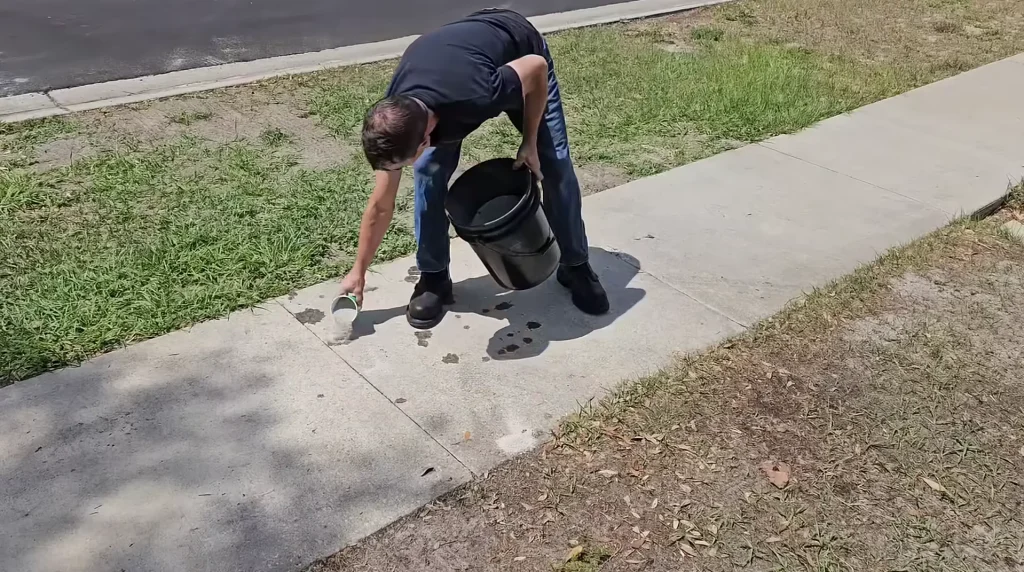

Hot Water for Heavy Oil

Insured, COI on Request

Free Estimates
Oil Stain Removal in Lexington, KY
Oil stain removal in Lexington lifts motor oil, transmission fluid, hydraulic fluid, and grease out of concrete driveways, garage floors, carports, and patios. Oil soaks into concrete, so the job is to pull it back out with a degreaser, time, and heat. Fresh drips lift best, and a stain that’s sat for years can need a second pass. If the whole driveway needs a wash, see our driveway cleaning service. Here’s how oil stain removal works.
- Typical cost: $250 to $600 for most driveways, with heavy or old staining near the top of that range
- Method: a degreaser soak, hot water on heavy oil, and a surface cleaner wash
- Fix the leak: a car that keeps dripping will stain clean concrete again
- Guarantee: 30 days, and we say up front when an old stain may leave a faint shadow
Why Do Oil Stains Stay on Lexington Concrete?
Oil stains stay on Lexington concrete because concrete is porous, and oil soaks into the tiny holes in the surface. A drip that sits on a driveway or garage floor keeps sinking in, so the stain gets harder to lift each week. Plain water beads up on oil and rolls off, which is why a garden hose doesn’t clear the dark patch. Dirt, tire marks, and rust stains each need a different fix, and our concrete staining guide covers them.
A fresh spill leaves a wet, dark spot, and old oil dries into a dull gray or black patch. Transmission and hydraulic fluid often leave a red or brown ring around the center. When we size up a stain, that outer ring matters as much as the dark middle, because it shows how far the oil has traveled underneath.
Orange or brown marks can look like oil but come from rust, so see our Lexington exterior problems guide, with tips on telling which one a surface has.
How Do We Treat Each Kind of Oil Stain?
We match the treatment to the fluid and the age of the stain, because fresh oil, old oil, grease, and gas each act differently on concrete.
What spilled | How we clean it |
Fresh motor oil | A degreaser goes on the stain and soaks in before the wash, and a surface cleaner lifts the oil while the rinse carries it off. Fresh oil usually comes out in one pass. |
Old, dark oil spots | Old oil has sunk deep, so it needs a longer soak, hot water, and sometimes a second pass. A very old stain can leave a faded shadow, and we say so before we start. |
Transmission fluid, hydraulic fluid, and gas | These fluids spread wide, so we don’t stop at the dark center. We treat the full edge of the stain, including the faint ring around it. Gasoline evaporates fast and often leaves only a pale shadow. |
Orange or brown stains | These marks usually come from rust and need a rust remover, because a degreaser won’t lift them. See our guide on rust stain removal. |
Grease and cooking oil | Grease from a grill or a drip pan hardens into a sticky film, so the degreaser gets a longer soak and the rinse uses hot water. |
Oil on asphalt | Oil and gasoline soften the petroleum binder in asphalt, and a hard wash can damage it. Our oil work covers concrete, so ask us before booking an asphalt job. |
Can Pressure Washing Remove an Oil Stain by Itself?
Pressure washing alone rarely removes an oil stain, because water can’t break oil down. Water can push loose oil around, but the stain stays in the concrete. The U.S. General Services Administration lists a plan for oil on concrete: blot the spill, leave a dry absorbent on it for about a day, scrub with a degreaser or strong soap, and rinse well.
We follow the same idea and loosen the oil first. The degreaser goes on and soaks in. Heavy oil and grease get hot water, because heat thins them and helps the degreaser lift them. Then the surface cleaner and pressure wash lift the loosened oil, and a detail wand cleans the edges and corners. We set the pressure for the age of the concrete, so older concrete doesn’t take a heavy pass.
A stain that’s sat for years takes the longest to lift, and it can need more than one pass. One Frankfort driveway job shows how this goes. The stain was engine oil and grease about six months old, and it was almost 20 feet long. It took a second pass with hot water, and the stain came out completely.
What Should You Do Right After an Oil Spill?
After an oil spill on concrete, soak up the oil before anything else. Cover it with plain clay cat litter, sawdust, or a spill absorber, grind it in with an old shoe or a push broom so it reaches the pores, and leave it for about a day. Then sweep it up. Cheap plain clay litter does the job, and fancy scented types add nothing.
Keep the hose off the spill until the oil is soaked up, because standing water can carry oil deeper into the concrete. If the spot is still dark after the first round, sweep, add fresh litter, and repeat, since deep-set oil often needs more than one try.
Fix the leak too. A car that keeps dripping puts a new stain on clean concrete, so a quick check by your mechanic keeps the driveway clean after we leave.
Do Dish Soap, Tide, and Other Home Fixes Remove Oil Stains?
Dish soap and laundry detergent can remove a fresh oil stain from concrete, but they often fall short on old ones. Dish soap cuts grease, and strong soap with scrubbing is on the GSA list for light stains. Oil that’s sat for weeks has soaked past the surface, so soap only reaches the top layer.
The best home routine is clay litter first, then a degreaser or dish soap worked in with a stiff nylon brush, a few minutes of soaking, and a clear water rinse. Baking soda helps soak up wet oil, but it adds little on a stain that’s dried in.
Rinse well until the water runs clear, because leftover laundry detergent can leave a soapy film that foams the next time it rains.
What Should You Never Use on an Oil Stain?
Gasoline, diesel, and other flammable solvents should never go on an oil stain. Fire department safety guidance says gasoline is too dangerous to use for anything except fuel, because its vapors ignite easily. WD-40 adds more oil to the spot, since its safety sheet lists petroleum base oil and hydrocarbons, and it’s an extremely flammable aerosol.
A torch looks like a shortcut, but concrete loses strength as it heats up, and damp concrete can crack and flake off in chips. Muriatic acid is another common fix, but it dissolves the cement paste that holds the surface together and leaves concrete pale, rough, and pitted. Acid doesn’t dissolve oil either, so the stain stays and the concrete takes the damage.
Cola and vinegar are weak acids that don’t dissolve oil, so they add little. A degreaser, time, and heat lift oil without harming the concrete.
Does Oil Stain Removal Work on Pavers, Sealed Concrete, and Asphalt?
Oil stain removal works on concrete pavers and sealed concrete, but the sealer decides how deep the oil went. The Concrete Masonry and Hardscapes Association says urethane sealers resist petroleum, while silane and siloxane sealers don’t unless they have special additives. Pavers with a weak sealer or none can keep a faint shadow even after cleaning, and any oil should come out before a new sealer goes on, because sealing over oil locks it in.
Asphalt needs a lighter touch, because oil and gasoline soften the petroleum binder that holds it together, and a hard wash can pull loose stone from softened asphalt. Our oil work covers concrete, so we don’t promise results on asphalt. Oil stain removal covers cleaning only, so we also don’t seal, patch cracks, or fix a leaking car. Our concrete cleaning page explains how we wash the rest of the slab.
What If an HOA, Landlord, or Buyer Is Waiting on the Stain?
An HOA notice, a rental turnover, or a home sale puts a clock on an oil stain, so book the cleaning soon and keep the after photos. Many notices come from a stain the last owner or tenant left behind, and cleaning the slab fixes the problem no matter who made it. Waiting makes it harder, because oil keeps soaking deeper each week.
Dry weather gives the best result, because rain can wash the degreaser off before it finishes soaking, and a cold slab slows how fast a degreaser works. For the best months by weather, read our scheduling guide.
Where Should Oil and Wash Water Go in Lexington?
Lexington’s storm drains carry water to creeks and streams without treatment, and the city says only rain and snow melt belong in them. Used motor oil, antifreeze, and cleaning detergents are on the city’s illicit discharge list. Rinse water that carries oil should stay off the street. Our guide to grass, plants, and pets explains how we protect landscaping while we work.
Used motor oil needs recycling and can’t go in the trash. Lexington’s household hazardous waste page lists free drop-off spots, including Walmart stores with Tire and Lube Express Centers and several Exhaust Pro shops. Call first to check. The Kentucky Energy and Environment Cabinet says dumping used oil can bring a fine of up to $1,000.
To report oil or soapy water going into a storm drain, call LexCall at 311 or (859) 425-2255.
Our Process for Oil Stain Removal
Inspect and Test
We find every stain, check how old and how deep it looks, and test the degreaser on a small spot first.
Pretreat With Degreaser
An alkaline degreaser goes on the oil and sits long enough to break it down, and we never let it dry on the concrete.
Pressure Wash the Concrete
A circular surface cleaner lifts the loosened oil and keeps the finish even, with hot water on heavy oil and grease, and a detail wand handles the edges and corners.
Rinse and Photo Check
We rinse away the residue, look over the stain once the concrete dries, and send you photos of the result.
How Much Does Oil Stain Removal Cost in Lexington, KY?
Oil stain removal in Lexington usually costs $250 to $600 for a typical driveway, and the amount of oil on the concrete moves the price within that range. We give a clear price after we see the stain, with no hidden charges once the work starts. To see prices for other services, check our pricing guide.
- The size of the driveway or floor that needs washing
- How old the oil is, since older stains sit deeper
- How many stains there are and how large they are
- Extra pretreatment time for heavy staining
Why Choose Our Lexington Oil Stain Removal Crew
Insured, With a COI
Active general liability coverage backs every job, and a certificate of insurance is ready when you ask for one.
Degreaser First
The stain gets a degreaser soak before any pressure touches it, so the oil is loosened by the time we wash.
Straight Answers
We’ll tell you up front when an old stain might leave a shadow, and photos after the job show the result.
Common Questions
Oil Stain Removal FAQs
Lexington homeowners ask these questions before scheduling oil stain removal.
Our 30-Day Satisfaction Guarantee
Our 30-day guarantee covers the concrete we clean. If buildup returns within 30 days, we’ll come back and re-clean the area at no extra charge, so call us or use the contact form to book the visit. A stain that soaked in for years can leave a faint shadow, and we’ll explain that before we start.
Related Residential Cleaning Services
Oil stains often show up next to other areas that need cleaning. Here are a few related services.
Get a Free Oil Stain Removal Estimate
Ready for a cleaner driveway? Request a free estimate, and we’ll look at the stain, test the degreaser on a small spot, and give you a clear price. See how Lexington PressureWash handles every job.